A national park since 1994
Black River Gorges National Park was proclaimed on 15 June 1994. Its 6,574 hectares protect native forest while providing space for conservation, education and recreation.
The biosphere reserve
Black River Gorges–Bel Ombre belongs to UNESCO’s Man and the Biosphere Programme, with a nomination dating to 1977 and an area of 8,582 hectares. The biosphere reserve and the national park have different boundaries and histories.
A place on the World Heritage Tentative List
Black River Gorges is on Mauritius’s World Heritage Tentative List. This is a step towards possible nomination, rather than inscription as a World Heritage Site. The national park and biosphere reserve remain distinct conservation designations.
A landscape with more than one story
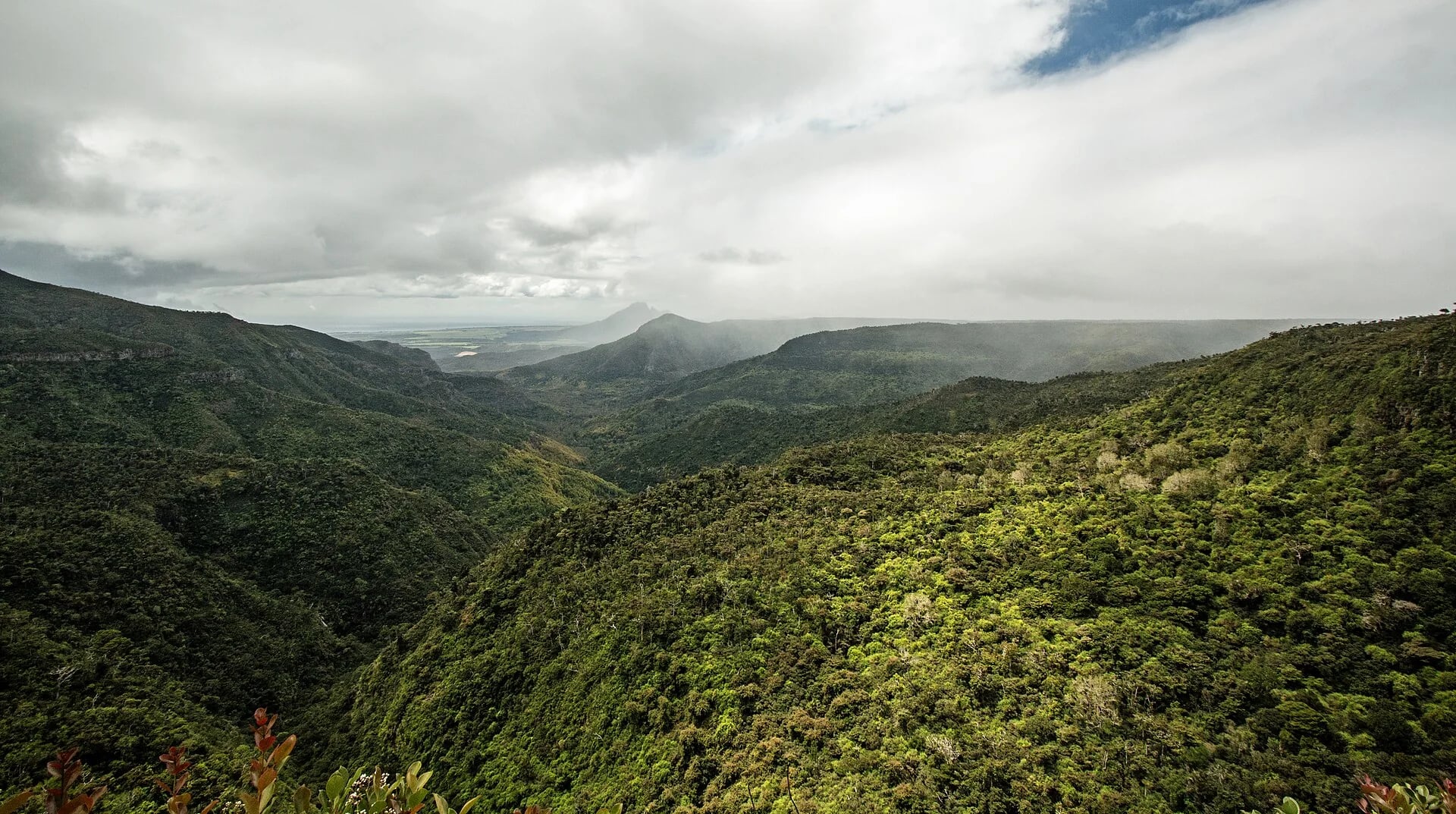
The national park protects a living landscape rather than a collection of isolated viewpoints. Its history includes the changing use of the uplands, the survival of native forest and continuing conservation work. Walking between different forest types gives those themes a physical setting.
The surrounding biosphere reserve connects protected habitats with inhabited and working landscapes. Around Bel Ombre, the former sugar-factory setting forms part of that wider history. A reserve boundary and a national-park boundary describe different roles, even where their landscapes meet.
Conservation as part of the visitor experience
The information centre helps explain the park through environmental education. Give that context a place in your visit alongside the walk itself. A route name or panoramic photograph is only one part of understanding the Gorges.
Stay on permitted paths and respect boundaries around conservation areas. These choices support the work that keeps native habitats alive. The value of a visit lies as much in understanding the landscape as in reaching a summit or waterfall.